In Ontario, before installing a Level 2 EV charger or a new Heat Pump, a critical safety question for many homeowners is, “is 100 amp service enough for ev charger,” often leading to the consideration of a 200 amp panel upgrade. The answer depends on your current electrical capacity, total household demand, and future energy needs.
Many homes built before the 1980s operate on 100A or 150A service, which may struggle to support modern high-demand appliances safely. conducting a professional load calculation are essential steps before making any decisions.
In this comprehensive guide, we’ll explore how to determine your current service capacity, when upgrades become necessary, the cost to upgrade electrical panel to 200 amps Ontario, and whether is 200 amp service enough for level 2 charger installations alongside other household needs.
How Can I Tell If I Have 100 or 200 Amp Service?
To identify your current service capacity, locate your main electrical panel and check the main breaker—the amperage rating (100, 150, or 200) is stamped on the breaker handle. If unclear, check the meter base outside your home for a label indicating the rating. When in doubt, contact a licensed residential electrical contractors ontario professional for a definitive assessment. According to the Electrical Safety Authority of Ontario, proper amperage assessment is essential to avoid dangerous overloading and code violations.
The Difference Between 100A, 150A, and 200A Service
Understanding the capacity differences helps you make informed decisions. A 100 amp service provides 24,000 watts of total capacity (100A × 240V). This was adequate for homes built decades ago with basic appliances, electric baseboards, and no central air conditioning. However, modern households with multiple computers, high-efficiency appliances, and now EVs quickly approach or exceed this threshold.
A 150 amp service offers 36,000 watts, providing a middle ground that some homes from the 1970s and 1980s possess. While better than 100A, evaluating whether is 150 amp service enough for ev charging requires careful calculation, especially when combined with a heat pump system. A 200 amp service delivers 48,000 watts of capacity, which has become the modern standard for new construction and comprehensive renovations. This capacity comfortably accommodates contemporary electrical demands including simultaneous operation of major appliances, HVAC systems, and EV charging.

Power Requirements for Heat Pumps and EV Chargers
Understanding the electrical demands of your new installations is crucial for making the right decision about panel upgrades. Both heat pumps and Level 2 EV chargers represent significant electrical loads that must be carefully integrated into your home’s system.
Level 2 EV Charger Power Requirements
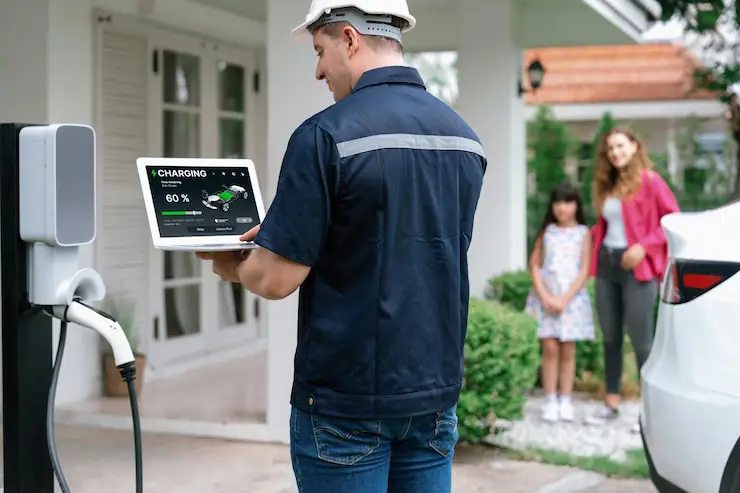
Most residential Level 2 chargers operate on 240-volt circuits and draw between 16 to 80 amps, though 32 to 48 amps is most common for home installations. A typical 40-amp Level 2 charger requires a dedicated 50-amp circuit (following the 80% continuous load rule) and consumes approximately 9,600 watts during operation.
This substantial power draw becomes problematic when your existing service is already near capacity. The question “is 200 amp service enough for ev charger” has a generally positive answer, but context matters significantly. A 200A panel can typically support a Level 2 charger alongside other household loads, but the specific answer depends on your total electrical consumption.
Heat Pump Electrical Demands
Modern cold-climate heat pumps suitable for Ontario winters require substantial electrical service. A whole-home heat pump system typically draws between 15 to 60 amps depending on capacity, with larger homes requiring units at the higher end of this range. During peak winter operation, when outdoor temperatures drop below -15°C, heat pumps work hardest and consume maximum power, often coinciding with other high-demand periods like morning routines or evening cooking.
The compressor, air handler, and auxiliary heat strips (if equipped) all contribute to the total load. A major factor is learning how can i tell if i have 100 or 200 amp service to ensure safe and compliant operation of all new appliances. When planning both a heat pump and EV charger installation, the cumulative load often necessitates a panel upgrade, especially if starting from 100A or 150A service.
Also Read: What size generator do you need for fall and winter storms Canada?
When Do You Actually Need a 200 Amp Panel?
The decision to upgrade isn’t always straightforward and depends on multiple factors specific to your household. Professional assessment is essential, but understanding the general guidelines helps you prepare for the conversation with your electrical contractor.
Conducting a Proper Load Calculation
A load calculation is a detailed analysis of your home’s total electrical demand. Licensed commercial electrical contractors ontario and residential specialists use this calculation to determine if your existing service can safely support new loads. The calculation includes all fixed appliances (furnace, water heater, range, dryer), lighting loads, receptacle circuits, and planned additions like heat pumps and EV chargers.
The National Electrical Code and Ontario Electrical Safety Code provide formulas for these calculations, but they require professional interpretation. A qualified ontario hvac contractor working alongside electrical specialists can provide accurate assessments that account for simultaneous usage patterns. For instance, smart EV chargers can be programmed to charge during off-peak hours when other household demands are minimal, potentially allowing you to avoid an upgrade.
Your existing panel’s condition also matters. Older panels may have insufficient breaker spaces for new circuits, outdated components, or safety concerns like aluminum wiring connections. Even if your amperage is technically adequate, panel replacement might be necessary for safety and code compliance reasons.
Signs You Need an Upgrade
Several clear indicators suggest your electrical service is insufficient. Frequent circuit breaker trips, especially when running multiple appliances simultaneously, signal capacity issues. Flickering lights when large appliances start, such as your air conditioner or electric dryer, indicate voltage drops from inadequate supply. Warm outlet covers or a hot-to-the-touch main panel represent dangerous overloading conditions requiring immediate professional attention.
If your home still has a fuse box instead of circuit breakers, upgrading to a modern 200 amp panel is strongly recommended regardless of capacity questions. Homes with 60A service, common in very old properties, absolutely require upgrades before adding any major appliances. Planning to install both a heat pump and Level 2 EV charger almost always necessitates 200A service unless your current usage is exceptionally minimal.
The Cost to Upgrade Electrical Panel to 200 Amps in Ontario
Understanding the cost to upgrade electrical panel to 200 amps Ontario helps you budget appropriately for this essential home improvement. Panel upgrade costs vary significantly based on multiple factors, but having realistic expectations prevents surprises during the planning process.
What Influences Upgrade Costs?
Several factors determine your final upgrade cost. The most significant is whether your utility service entrance requires upgrading. If the wires coming from the street to your meter are rated for only 100A, the utility company must install new service conductors, substantially increasing costs and timeline. This utility upgrade can add $1,500 to $3,000 to your project, depending on distance and accessibility.
The physical location of your panel affects labor costs. Easily accessible panels in unfinished basements cost less to upgrade than panels in finished spaces requiring drywall repair and repainting. If your panel is located far from the meter or requires extensive rewiring to meet current codes, expect higher costs. Additional complications arise if your home has aluminum wiring, knob-and-tube wiring, or other outdated systems requiring remediation during the upgrade.
Permit fees, inspection costs, and disposal fees for the old panel add to the total. In Ontario, electrical work permits typically cost between $100 and $300 depending on your municipality. Some homes may also require upgraded grounding systems to meet current code requirements, adding another layer of expense.
Typical Cost Ranges in Ontario
Based on current market conditions and data from residential electrical contractors ontario, a complete panel upgrade from 100A to 200A typically ranges from $2,500 to $6,000 for straightforward installations. This includes the new 200A panel, labor, permits, and basic installation. Projects requiring utility service upgrades, significant rewiring, or addressing additional code compliance issues can reach $8,000 to $12,000.
While this represents a significant investment, consider it in context. The upgrade not only enables your heat pump and EV charger installations but also increases your home’s value and safety. Many Ontario homeowners find that rebates and incentives for heat pump and EV charger installations offset a portion of the panel upgrade cost. Additionally, avoiding the upgrade when necessary can lead to dangerous situations, failed electrical inspections, and inability to install your desired equipment. According to Statistics Canada, Canadian households increasingly prioritize electrical infrastructure improvements, with upgrades showing strong returns on investment during home sales.
Also Read: Signs Your Electrical Panel Was Damaged in a Storm
Smart Alternatives and Load Management Solutions
Before committing to a panel upgrade, explore whether modern technology can solve your capacity concerns. While a 200 amp panel remains the gold standard for flexibility, some homeowners can successfully manage with existing service through careful planning and smart technology.
Load Management Systems
Sophisticated load management devices can dynamically allocate available electrical capacity among competing demands. Smart EV chargers with load management features monitor your home’s real-time electrical consumption and automatically adjust charging rates to prevent overloading. When your home’s power usage increases, the charger reduces its draw; when usage drops, it increases charging speed.
Systems like Tesla’s Wall Connector with power sharing or ChargePoint Home Flex with built-in load management allow EV charging on limited electrical service. Some advanced systems integrate with your entire home, managing multiple high-draw appliances to prevent exceeding capacity. These solutions work best for homes with 150A service wondering “is 150 amp service enough for ev charging” alongside moderate heat pump loads.
However, load management isn’t a universal solution. Homes with 100A service typically still require upgrades when adding both a heat pump and Level 2 charger. The system also depends on behavioral factors—if household members run multiple high-draw appliances while the EV charges, even smart systems may struggle to prevent overloading.
Also Read: Why Seasonal A/C & Heating Maintenance Matters?
Working with Professional Contractors in Ontario
Choosing the right professionals for your electrical assessment and upgrades ensures safety, code compliance, and optimal system performance. The complexity of adding heat pumps and EV chargers requires coordinated expertise from both electrical and HVAC specialists.
Selecting Qualified Electrical Contractors
Look for licensed residential electrical contractors ontario with specific experience in panel upgrades and EV charger installations. Verify that contractors hold valid Electrical Contractor License (ECL) numbers issued by the Electrical Safety Authority. Request references from recent projects involving similar work—heat pump and EV charger installations alongside panel upgrades.
Obtain detailed written quotes from multiple contractors, ensuring they include all necessary work: panel replacement, service entrance upgrades if needed, permits, inspections, and any required remediation work. Be cautious of quotes significantly below market rates, as they may indicate cut corners or hidden costs emerging later. Reputable contractors provide transparent pricing and realistic timelines.
Coordinating HVAC and Electrical Work
When installing a heat pump system, coordination between your ontario hvac contractor and electrical contractor is essential. The HVAC contractor determines the heat pump’s specific electrical requirements, which the electrical contractor must accommodate. Proper sequencing prevents costly rework—complete electrical upgrades and new circuits before heat pump installation.
Many full-service companies like Ontario Air Services offer integrated HVAC and electrical services, streamlining the process. These companies handle load calculations, panel assessments, and coordinated installations, ensuring all components work together seamlessly. Their expertise in both hvac maintenance ontario and electrical systems provides comprehensive solutions for homeowners making the transition to sustainable home systems.
Frequently Asked Questions
Is 200 amp service enough for level 2 charger and heat pump together?
Yes, a 200 amp service typically supports both a Level 2 EV charger (40-50 amps) and residential heat pump (30-60 amps) alongside normal household loads. Very large homes with multiple EVs or oversized systems may need load management.
How can I tell if I have 100 or 200 amp service without calling an electrician?
Check the main breaker on your electrical panel—the amperage is stamped on the handle. You can also check the meter base outside. For accurate assessment regarding heat pumps or EV chargers, consult licensed electrical contractors.
What is the cost to upgrade electrical panel to 200 amps in Ontario?
Expect $2,500-$6,000 for standard installations. Projects requiring utility service upgrades add $1,500-$3,000. Complex situations can reach $8,000-$12,000. Always obtain multiple quotes from licensed contractors.
Is 150 amp service enough for EV charging if I have a heat pump?
It depends on your specific load calculation. Some homes manage with load management technology, but most find 150A marginal when adding both. Upgrading to 200A provides safer operation and future flexibility.
Can I install an EV charger on 100 amp service?
Rarely recommended. A 100A panel provides only 24,000 watts total capacity, which typical households mostly consume. Level 2 chargers create overloading risk. Most jurisdictions require panel upgrades for Level 2 charging to meet code requirements.
Take the Next Step Toward Sustainable Living
Determining whether you need a 200 amp panel requires careful assessment of your current capacity and future needs. Don’t risk unsafe installations by guessing about your electrical capacity.
Ontario Air Services provides comprehensive electrical assessments, panel upgrades, and coordinated heat pump installations throughout Ontario. Our licensed professionals conduct thorough load calculations, provide transparent pricing, and ensure all work meets safety codes.
Sources:
- Electrical Safety Authority of Ontario
- Natural Resources Canada – Electric Vehicle and Alternative Fuel Infrastructure Deployment Initiative
- Statistics Canada – Households and the Environment Survey