Toronto homeowners are asking smarter questions than ever before. Not “What’s the cheapest system?” but “What actually makes sense for my home, my bills, and our winters?”
With rising gas prices, evolving carbon taxes, and aggressive energy-efficiency incentives across Ontario, heat pumps have moved from “alternative” to mainstream. But not all heat pumps are created equal—and choosing the wrong type can be an expensive mistake.
This guide breaks down heat pump types, real-world economics, and Toronto-specific considerations—without sales fluff, jargon, or generic advice.
Why Heat Pump Choice Matters in Toronto’s Climate
Toronto sits in a tricky HVAC zone. Winters are cold enough to punish inefficient systems, yet moderate enough to allow modern cold-climate heat pumps to shine.
A system that performs well in Vancouver or the southern U.S. may struggle here. That’s why heat pump selection—not just installation—determines comfort, reliability, and long-term cost.
Ontario Air Services approaches heat pump projects the same way we approach hvac repair Ontario calls in January: with realism, not theory.
At Ontario Air Services, heat pump recommendations don’t come from spec sheets alone.
Our technicians work inside Toronto homes every week—semi-detached houses in East York, older brick properties near Bloor, and new builds across the GTA. We see firsthand how different heat pump types behave during real Ontario winters, not lab conditions.
In January cold snaps, we’ve serviced homes where oversized systems short-cycled, and others where low-quality units failed entirely below -15°C. These experiences shape how we design systems—not marketing claims.
Also Read: Do I Need a 200A Panel for a Heat Pump or EV Charger in Ontario?

Main Types of Heat Pumps Used in Ontario Homes
Heat pumps fall into distinct categories based on where they extract heat from and how they distribute it indoors.
Before diving into details, it’s important to note: the “best” heat pump depends on home size, insulation, electrical capacity, and budget, not marketing claims.
Air Source Heat Pumps (ASHP)
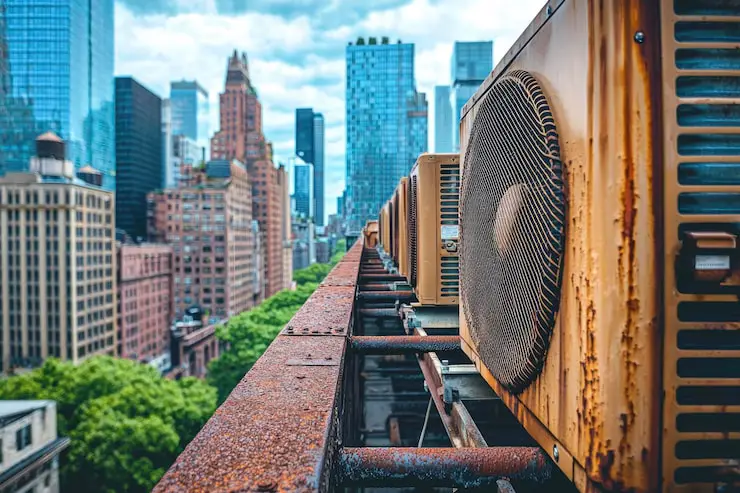
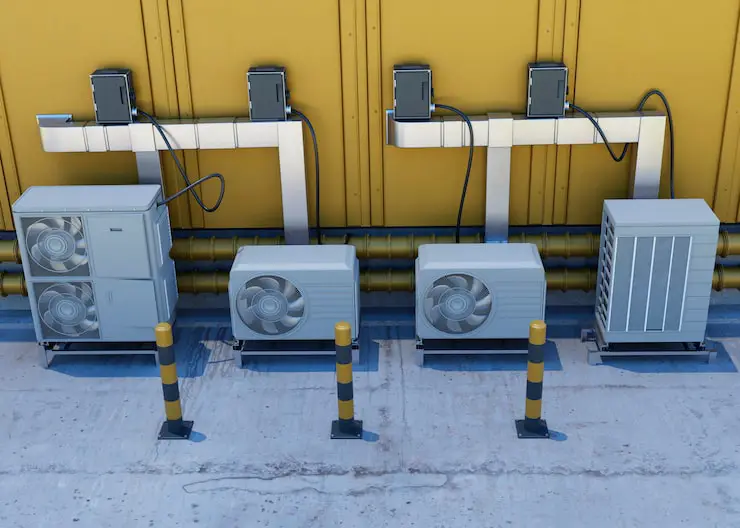
Air source heat pumps pull heat from outdoor air—even in winter—and transfer it indoors.
They are the most common choice in Toronto due to lower upfront cost and easier installation.
Pros
- Lower installation cost than geothermal
- Eligible for Ontario rebates
- Works well in mild-to-moderate winters
- Pairs easily with existing ductwork
Cons
- Efficiency drops in extreme cold
- May require backup heating
- Performance varies by brand and model
For many homes, ASHPs combined with furnace installation Ontario (hybrid systems) deliver the best balance of cost and reliability.
Cold Climate Air Source Heat Pumps (CC-ASHP)
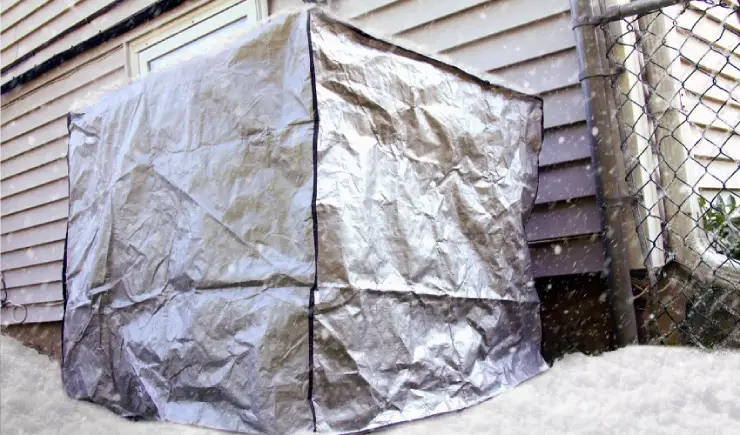
Designed specifically for Canadian winters, cold climate models maintain performance at temperatures as low as -25°C.
These systems have changed the economics of electric heating in Ontario.
What Makes Them Different?
- Variable-speed compressors
- Advanced refrigerants
- Higher COP in sub-zero temperatures
For homeowners replacing aging systems or pairing with Furnace Maintenance Ontario, CC-ASHPs often deliver the strongest ROI.
Ground Source (Geothermal) Heat Pumps
Geothermal systems extract heat from underground temperatures, which remain stable year-round.
They are extremely efficient—but not always practical.
Advantages
- Highest efficiency of all heat pumps
- Very low operating costs
- Long system lifespan
Drawbacks
- High upfront installation cost
- Requires land or drilling access
- Longer payback period in urban Toronto
For most city homeowners, geothermal only makes sense during major renovations or new builds.
Ductless Mini-Split Heat Pumps
These systems deliver heating and cooling without ductwork, using wall-mounted indoor units.
They are popular for:
- Older Toronto homes
- Additions and laneway houses
- Zoned comfort needs
They pair well with air conditioning installation toronto upgrades and are often used alongside existing systems.
Also Read: Do Heat Pumps Work in Ontario’s Cold Weather?
Comparing Heat Pump Economics in Toronto
This is where many blogs get it wrong. Heat pump economics aren’t about sticker price—they’re about lifecycle cost.
Let’s break it down realistically.
Professional heat pump sizing is where most installations succeed—or fail.
Beyond square footage, Ontario homes require load calculations that account for insulation age, air leakage, window exposure, and Toronto’s specific heating degree days. A system that looks “efficient” on paper can underperform if these factors are ignored.
This is why our heat pump projects often begin with the same diagnostic process we use for complex HVAC repair Ontario cases—because performance is engineered, not assumed.
Installation Costs in Ontario (2025 Estimates)
| System Type | Typical Installed Cost |
|---|---|
| Air Source Heat Pump | $8,000 – $14,000 |
| Cold Climate ASHP | $12,000 – $18,000 |
| Ductless Mini-Split | $4,000 – $8,000 per zone |
| Geothermal | $25,000 – $40,000+ |
Costs vary based on electrical upgrades, duct modifications, and home layout. Many installs also overlap with Heat Pump Installation Ontario projects.
Operating Costs: Electricity vs Gas in Ontario
Ontario’s electricity rates and carbon pricing significantly affect operating costs.
Key realities:
- Electricity prices are more stable than gas
- Carbon tax increases gas heating costs annually
- High-efficiency heat pumps offset electrical consumption
Homes with proper insulation and hvac maintenance ontario schedules see the strongest savings.
Hybrid Heat Pump Systems: The Toronto Sweet Spot
Hybrid systems combine:
- Heat pump for mild-to-cold weather
- Gas furnace for extreme cold
This setup:
- Reduces gas usage
- Maintains comfort during cold snaps
- Extends system lifespan
Many Ontario Air Services clients adopt hybrids when replacing older systems or scheduling Emergency Furnace Repair situations.
Heat Pumps and Electrical Capacity Considerations
Heat pumps draw more electrical load than traditional furnaces.
Before installation, a professional ontario hvac contractor should assess:
- Panel capacity
- Wiring condition
- Future electrical needs
In some homes, coordination with residential electrical contractors ontario is necessary to avoid future issues.
Heat Pump Reliability and Maintenance
Heat pumps are reliable—but only with proper care.
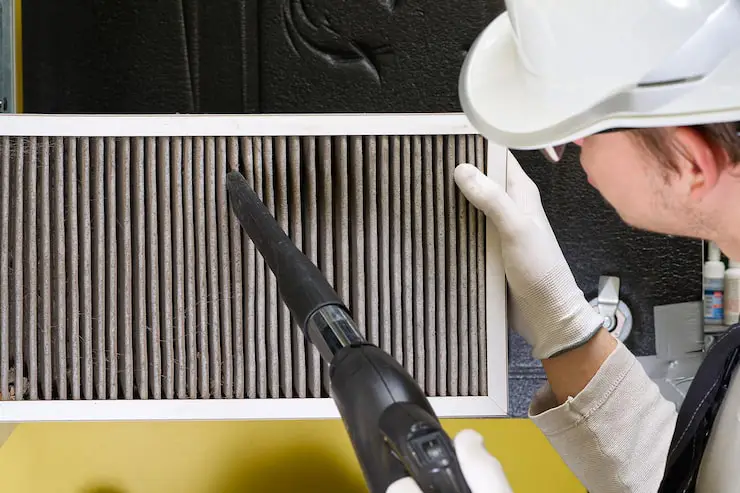
Routine service includes:
- Coil cleaning
- Refrigerant checks
- Software calibration
Ignoring maintenance leads to breakdowns that resemble emergency hvac repair near me calls in February.
Environmental Impact and Ontario Incentives
Heat pumps significantly reduce carbon emissions, especially when paired with Ontario’s cleaner electricity grid.
Benefits include:
- Reduced fossil fuel dependence
- Eligibility for rebates
- Improved home resale value

Choosing the Right Heat Pump for Your Toronto Home
There is no universal “best” heat pump—only the right system for your home.
A proper assessment considers:
- Square footage
- Insulation quality
- Existing HVAC equipment
- Budget and timeline
Ontario Air Services is a licensed Ontario HVAC contractor supporting residential and commercial properties across the GTA.
Our work spans heat pump installation, furnace maintenance, emergency repairs, and long-term system planning—allowing us to evaluate heating technologies not in isolation, but as part of a complete home energy ecosystem.
Heat pumps are not the right solution for every Toronto home.
Properties with poor insulation, outdated electrical panels, or significant air leakage may see limited benefits without complementary upgrades. In some cases, investing in insulation or furnace maintenance Ontario delivers better short-term returns than immediate system replacement.
A trustworthy recommendation considers what not to sell—not just what can be sold.
FAQ: Heat Pumps in Toronto Homes
Do heat pumps work during Toronto winters?
Yes. Cold climate heat pumps are designed to operate efficiently even below -20°C.
Is a heat pump cheaper than gas heating?
Over time, yes—especially with rising carbon taxes and proper insulation.
Can I keep my furnace with a heat pump?
Absolutely. Hybrid systems are common in Ontario homes.
How long does a heat pump last?
Typically 15–20 years with proper maintenance.
Are heat pumps noisy?
Modern systems are quiet—often quieter than traditional AC units.
If you’re weighing heat pump options for your Toronto home, the smartest next step isn’t a quote—it’s clarity.
Speak with Ontario Air Services to evaluate whether a heat pump truly fits your home, usage patterns, and long-term energy goals. No pressure. Just informed guidance built for Ontario conditions.