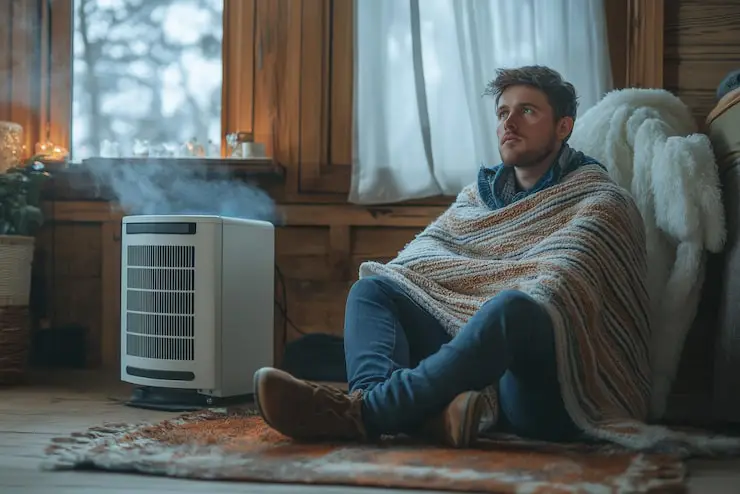
The reason why cold air is coming out of your heater can range from minor thermostat failures to serious mechanical failures that require immediate attention. When cold air streams through your vents instead of cozy warmth, it’s more than inconvenient—it can signal underlying problems with your furnace, pilot light, or air filtration system.
Homeowners across Ontario frequently ask what to do if my heater is blowing cold air, and the answer begins with aware the root causes. Whether you’re dealing with a portable heater blowing cold air, a condo heater blowing cold air, or a full-scale residential furnace system, recognizing why cold air is blowing when the heat is on helps you respond appropriately.
Common Thermostat Problems That Cause Cold Air
Incorrect Fan Settingsone of the most overlooked culprits is the thermostat fan setting. Many thermostats offer two fan options: “Auto” and “On.” When set to “Auto,” the blower activates only during heating cycles. The “On” setting forces continuous fan operation, circulating unheated air throughout your home between heating cycles.
This configuration explains why cold air is blowing when the heat is on—technically, the heat isn’t continuously on, just the fan. Check your thermostat display and switch to “Auto” mode if necessary. This simple adjustment resolves the issue for countless homeowners who’ve inadvertently changed this setting while cleaning or adjusting their thermostat.
Dead Batteries and Power Issues
Modern thermostats rely on batteries or electrical connections to function properly. When batteries weaken, the thermostat may display incorrect readings or fail to communicate effectively with your furnace. Replace thermostat batteries annually as preventive maintenance, ideally before heating season begins. For hardwired thermostats, check your circuit breaker panel for tripped breakers affecting the HVAC system. A power interruption can reset thermostat settings or prevent the heating signal from reaching your furnace entirely.
Annual HVAC maintenance Ontario contracts prevent many common problems through regular inspections, cleaning, and component testing before failures occur.

Filter-Related Issues Blocking Hot Air Flow
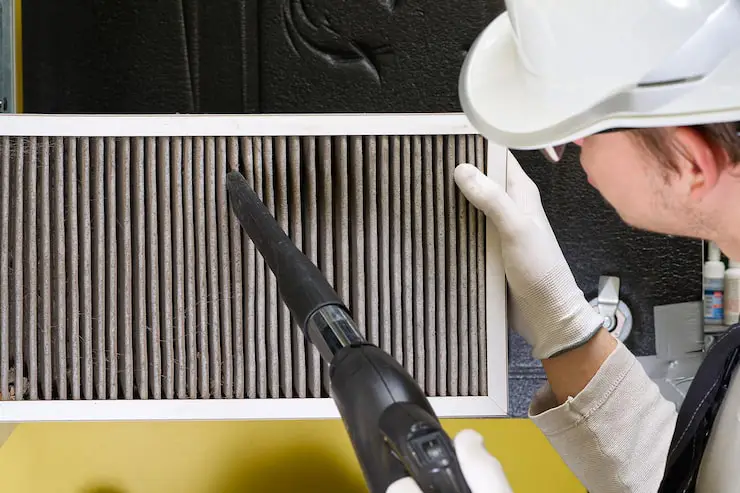
A clogged or dirty air filter ranks among the top reasons for heating system malfunctions. Filters trap dust, pet dander, pollen, and other airborne particles, preventing them from entering your furnace and circulating through your home. When filters become saturated with debris, airflow restriction occurs, causing multiple cascading problems.
Restricted airflow prevents your heat exchanger from dissipating heat properly, triggering the overheating limit switch as a safety measure. This switch shuts down the burners while allowing the blower to continue running, resulting in cold air distribution. Standard filters require replacement every 30-90 days depending on household conditions, pets, and usage patterns. Homes with multiple pets or allergy sufferers may need monthly filter changes, while less-demanding environments can extend to quarterly replacements.
Check your filter by removing it and holding it up to light—if you cannot see light passing through, replacement is overdue. This inexpensive maintenance task prevents expensive repairs and ensures efficient system operation. Professional furnace installation Ontario companies offer maintenance plans including comprehensive system inspections, cleaning, lubrication, and testing.
Also Read: AFCI vs. GFCI: What Ontario Homeowners Need to Know Before Winter
Pilot Light and Ignition System Failures
For gas furnaces, pilot light issues frequently explain why your furnace is blowing cold air. The pilot light provides the flame that ignites your main burners when the thermostat calls for heat. If this small flame extinguishes due to drafts, gas supply interruptions, or thermocouple failures, your burners cannot ignite despite the system attempting to heat.
Inspect your pilot light through your furnace’s viewing window. A healthy pilot flame appears blue with a yellow tip, standing approximately one inch tall. If absent or orange-colored, professional service is required. Never attempt to relight pilots without proper training, as gas leaks pose serious safety hazards. Modern furnaces often feature electronic ignition systems that eliminate standing pilot lights, but these can also malfunction, preventing burner operation while the blower continues running.
Electronic Ignition Malfunctions
Newer systems use intermittent pilot or hot surface ignition rather than continuous pilot flames. These electronic components can fail over time, requiring replacement by qualified technicians. When ignition systems malfunction, the heating sequence initiates but never completes, leaving your blower circulating unheated air. If you notice clicking sounds without subsequent burner ignition, ignition system problems likely exist.
The Flame Sensor’s Critical Role
The flame sensor, a thin metallic rod positioned near your burner assembly, serves as a critical safety device. It confirms flame presence after ignition, allowing gas flow to continue. When flame sensors accumulate carbon deposits or corrosion, they fail to detect flames accurately, causing the system to shut down burners prematurely as a safety precaution.
quickly diagnosing the fault—like a dirty flame sensor or leaky ductwork—is the key to restoring hot air. Flame sensor cleaning requires careful handling and proper technique.
Also Read: Do I Need a 200A Panel for a Heat Pump or EV Charger in Ontario?
Limit Switch Issues and Overheating Protection
Whether it’s a standard home unit or a portable heater blowing cold air in your apartment or condo heater blowing cold air, the underlying reasons why my heater is blowing cold air frequently point to problems like an overheating limit switch or a gas supply issue. The limit switch monitors heat exchanger temperature, preventing dangerous overheating conditions.
When furnaces overheat due to restricted airflow, dirty filters, or closed vents throughout your home, the limit switch activates. This shuts down burners while maintaining blower operation to cool the heat exchanger. The result: cold air flowing through your vents. If your limit switch trips repeatedly, underlying problems require attention—continuing operation without addressing root causes can damage your heat exchanger, necessitating expensive repairs or complete system replacement.
Ensure all supply vents remain open and unobstructed by furniture, curtains, or other items. Closing vents in unused rooms seems economical but actually increases system pressure, reduces efficiency, and triggers limit switch activation.
Ductwork Problems and Air Leaks
Leaky ductwork represents a hidden efficiency killer that compromises heating performance. When heated air escapes through gaps, holes, or disconnected sections in your duct system before reaching living spaces, your furnace runs continuously while rooms remain cold. Ductwork typically runs through unconditioned spaces like attics, crawlspaces, and basements, where escaping air provides zero comfort benefit.
Visible ductwork should be inspected for obvious damage, disconnections, or gaps. Professional duct sealing using mastic or specialized tape (not standard duct tape, which deteriorates quickly) improves system efficiency dramatically. According to the U.S. Department of Energy, proper duct sealing can improve HVAC efficiency by up to 20%, directly impacting comfort and energy costs.

Gas Supply and Electrical Problems
Natural gas or propane supply issues prevent furnaces from generating heat regardless of other system components functioning correctly. Gas valves may close accidentally during maintenance, or supply interruptions occur due to utility work or payment issues. If you smell gas or suspect supply problems, evacuate immediately and contact your utility provider and emergency services. Never attempt gas-related repairs yourself.
Electrical Circuit Issues
Learning what to do if your heater is blowing cold air is crucial; immediate steps often involve checking the thermostat settings to ensure the fan isn’t set to “On” continuously, which can be why cold air is blowing when the heat is on. Additionally, electrical problems frequently contribute to heating failures. Furnaces require substantial electrical power to operate blowers, ignition systems, and control boards. A tripped circuit in your electrical panel may interrupt furnace operation partially or completely.
Check your circuit breaker panel for tripped breakers labeled for HVAC or furnace systems. Reset tripped breakers once, but if they trip repeatedly, electrical problems require professional diagnosis. Never increase breaker sizes to prevent tripping, as this creates serious fire hazards.
Also Read: Furnace Installation Mistakes You Can Avoid
When to Call Professional HVAC Services
For homeowners concerned about their safety, determining if the furnace is blowing cold air, should I turn it off is a common question, and in most cases, turning it off and calling a professional is the safest recourse when the heater is not blowing hot air in the house. Certain situations demand immediate professional intervention rather than DIY troubleshooting.
Contact qualified Ontario HVAC contractors immediately if you detect gas odors, see visible flames outside your furnace, hear unusual grinding or squealing noises, or observe smoke or burning smells. These symptoms indicate potentially dangerous conditions requiring expert attention. Additionally, if basic troubleshooting—checking thermostats, replacing filters, and verifying power supply—doesn’t resolve your cold air problem, professional diagnosis identifies deeper mechanical issues.
Reputable services offering emergency HVAC repair near me provide 24/7 availability for heating emergencies during Ontario’s harsh winters.
Preventive Maintenance for Consistent Heat
Preventing cold air problems through proactive maintenance proves far more cost-effective than emergency repairs. Establish an annual maintenance schedule before heating season begins, typically in early fall.
During maintenance visits, technicians clean burners, inspect heat exchangers for cracks, test safety switches, verify proper airflow, and measure system performance against manufacturer specifications. They identify developing problems before failures occur, extending equipment life significantly. Research from the Air Conditioning Contractors of America indicates that regular maintenance can extend HVAC system lifespan by 40% while reducing energy consumption by 15-20%.
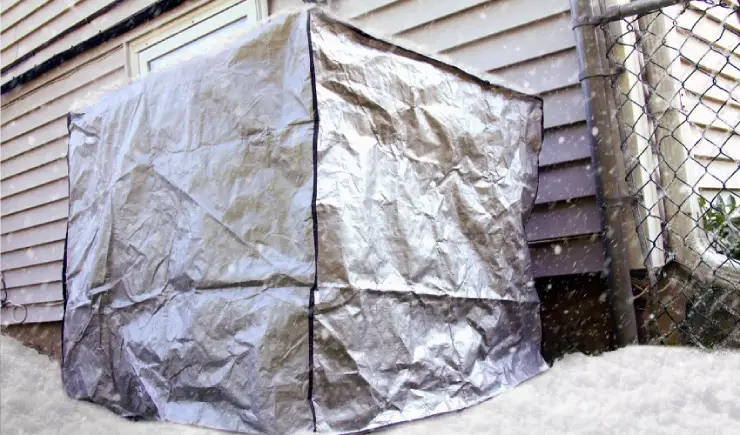
Between professional visits, homeowners should monthly check and replace filters, keep outdoor units clear of debris, ensure vents remain unobstructed, and listen for unusual system sounds. These simple tasks maintain optimal performance and alert you to developing problems early.
Immediate Steps When Your Heater Blows Cold Air
When cold air suddenly replaces expected warmth, follow these systematic troubleshooting steps before calling professionals. First, verify your thermostat is set to “Heat” mode with the fan on “Auto” and the temperature setting higher than current room temperature. Many apparent heating failures simply result from incorrect thermostat configurations.
Second, check your circuit breaker panel for tripped breakers and reset if necessary. Third, inspect and replace your air filter if dirty or clogged. Fourth, ensure all supply and return vents throughout your home remain open and unobstructed. If these steps don’t restore heat within 30 minutes, contact HVAC professionals for diagnosis.
Document when the problem started, any unusual sounds or smells, and what troubleshooting you’ve attempted. This information helps technicians diagnose efficiently, potentially reducing service call duration and costs. For rental properties or apartments, immediately notify property management, as heating problems typically fall under landlord responsibilities for habitability.
FAQ
Why is my heater running but only blowing cold air?
Main causes: thermostat fan set to “On” instead of “Auto,” clogged air filter, pilot light or ignition failure, or dirty flame sensor. Check your thermostat settings and filter first before calling a technician.
Should I turn off my furnace if it’s blowing cold air?
Yes, if you notice gas odors, unusual noises, smoke, or burning smells—turn it off immediately. If it’s just cold air without warning signs, you can try basic troubleshooting. When in doubt, turn it off and call a professional.
How much does it cost to fix?
Simple fixes (thermostat, filter): $75-$150
Component repairs (sensors, valves): $200-$600
Major repairs (heat exchanger, motors): $800-$2,000
Can a dirty filter really cause my entire heating system to blow cold air?
Absolutely! A clogged filter restricts airflow, triggering the safety limit switch that shuts off burners while keeping the fan running. Replace your filter every 1-3 months to prevent this issue.
Why does my apartment or condo heater blow cold air differently than a house furnace?
Apartments use centralized systems serving multiple units. Cold air problems may stem from building-wide issues, zone valve failures, or air in hot water lines. Always notify property management immediately—they’re responsible for heating repairs.
Schedule your heating system inspection today—don’t wait until equipment failures leave you in the cold. Regular HVAC maintenance Ontario prevents unexpected breakdowns, optimizes efficiency, and extends equipment lifespan, delivering peace of mind and consistent comfort throughout even the coldest Ontario winters. Invest in professional service now to avoid emergency repair costs later.
Sources: