As summer approaches, your air conditioner becomes a vital ally in keeping your home comfortable and cool. A well-functioning AC ensures you can relax, work, and sleep without the discomfort of rising temperatures. However, even the most reliable systems can develop issues over time. Spotting these problems early can save you from expensive repairs and unbearable heat. In this article, we’ll explore five key signs your AC needs attention, along with practical steps to maintain its performance. Let’s dive in and ensure your summer stays refreshingly cool.
Why Your AC Is Crucial for Summer Comfort?
Your air conditioner is more than a luxury—it’s essential for maintaining a comfortable, healthy, and energy-efficient home during summer. From creating a pleasant indoor environment to safeguarding your well-being, a dependable AC is a cornerstone of modern living. Recognizing its importance encourages timely action when issues arise.
Supporting Daily Comfort
A properly working AC transforms your home into a haven. Whether you’re tackling work-from-home tasks, enjoying family time, or unwinding after a long day, cool air enhances productivity and relaxation. Without it, even simple activities can feel exhausting, disrupting your daily routine.
Protecting Your Health
Air conditioning plays a critical role in your health. Extreme heat can lead to serious conditions like heatstroke or dehydration, particularly for vulnerable groups such as children or seniors. Health Canada notes that proper cooling reduces these risks. Additionally, modern AC units filter allergens and pollutants, improving indoor air quality and helping you breathe easier.
Sign 1: Strange Noises from Your AC
A healthy air conditioner operates with a quiet, steady hum. If you hear grinding, squealing, or banging, your unit is likely signaling a mechanical issue. These noises aren’t just disruptive—they indicate problems that could worsen without prompt attention.
What These Noises Indicate
Each sound points to a specific concern. Grinding often suggests worn motor bearings, while squealing may indicate a slipping belt. Banging or clanking could mean loose or damaged components. Addressing these issues early prevents more extensive damage and costly repairs.
When to Contact a Professional
Minor hums are normal, but loud, persistent, or worsening noises require immediate action. If the sounds are accompanied by reduced cooling or other symptoms, reach out to a licensed HVAC technician to diagnose and resolve the issue efficiently.
Need a Reliable HVAC Contractor in Ontario? Ontario Air Services has you covered. Call us today for expert heating and cooling solutions
Sign 2: Weak or Uneven Airflow
If your AC’s airflow feels weak or inconsistent, it’s struggling to perform. You might notice some rooms remain warm while others are overly cool, or the air output seems inadequate. This issue reduces comfort and signals the need for professional attention.
Causes of Reduced Airflow
Several factors can restrict airflow. Clogged air filters are a common cause, limiting air movement and straining the system. Other culprits include blocked vents, leaky ducts, or a failing blower motor. Energy Star reports that dirty filters can reduce airflow by up to 15%, increasing energy consumption and wear on your unit.
Sign 3: Warm Air from Vents
When your AC blows warm air instead of cool, it’s failing to deliver its primary function. This issue often stems from serious problems like low refrigerant levels or a malfunctioning compressor, both of which require expert intervention to restore performance.
Importance of Refrigerant
Refrigerant is the key to your AC’s cooling process. Low levels, often caused by leaks, prevent effective cooling and reduce efficiency. According to the U.S. Department of Energy, refrigerant leaks can also harm the environment, making professional repairs essential for both performance and sustainability.
Sign 4: Unpleasant Odors from Your AC
Unusual smells from your AC—such as musty, burnt, or chemical odors—are cause for concern. These odors often indicate issues like mold growth, electrical faults, or clogged drain lines, each requiring specific solutions to address effectively.
Risks of Ignoring Odors
Musty smells may signal mold or mildew, which can trigger allergies or respiratory problems. Burnt odors could indicate wiring issues, posing a fire hazard. Ignoring these smells jeopardizes your health and home safety, so prompt action is critical.
DIY Fixes vs. Professional Repairs
For musty odors, replacing the air filter or cleaning the drain pan may offer temporary relief. However, persistent smells or signs of electrical trouble require a professional’s expertise to ensure safe and lasting repairs.
Sign 5: Rising Energy Costs
A sudden increase in your energy bills could point to an inefficient AC. When your system struggles with underlying issues, it consumes more electricity to maintain your desired temperature, driving up costs significantly.
Why AC Issues Increase Bills
Problems like dirty filters, low refrigerant, or worn components force your AC to work harder and longer. The U.S. Energy Information Administration highlights that cooling accounts for a substantial portion of household energy use, so inefficiencies can lead to noticeable bill spikes.
Consequences of Delaying Repairs
Ignoring these warning signs can lead to serious consequences. Minor issues may escalate into complete system failures, requiring costly repairs or replacements. Additionally, problems like mold or electrical faults can jeopardize your health or safety. Acting quickly saves time, money, and discomfort.
Proactive AC Maintenance Tips
Preventing AC problems is far easier than fixing them. By adopting a few straightforward maintenance habits, you can keep your system running efficiently and avoid unexpected breakdowns during the hottest months.
Regular Filter Maintenance
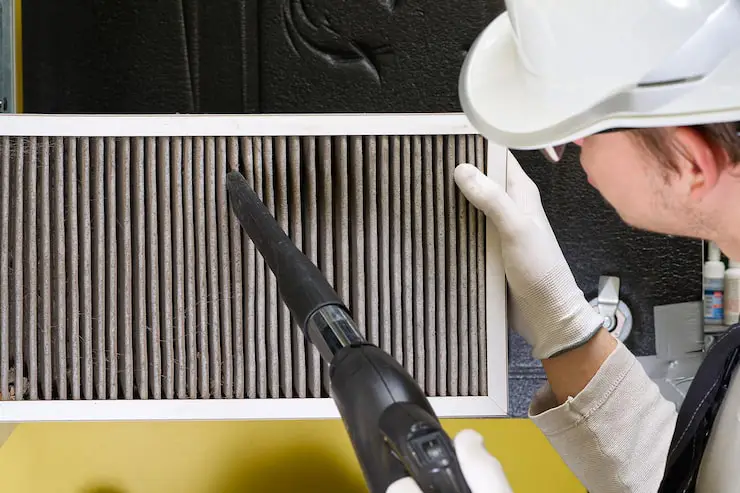
Replace your air filter every 1-3 months, depending on usage and household factors like pets or allergies. Clean filters improve airflow, enhance air quality, and reduce strain on your system, extending its lifespan and boosting efficiency.
Scheduling Professional Tune-Ups
Book an annual maintenance visit with a qualified HVAC technician before summer begins. They’ll inspect critical components, clean coils, and check refrigerant levels, catching potential issues early and optimizing your system’s performance.
When to Consider Replacing Your AC?
In some cases, repairing an aging or inefficient AC may not be cost-effective. If your unit is over 10-15 years old, requires frequent repairs, or struggles to cool your home, replacing it with a modern, energy-efficient model could be the better option.
Signs It’s Time for a New Unit
Look for indicators like constant breakdowns, uneven cooling, or outdated technology. If repair costs exceed 50% of a new unit’s price, replacement is often more economical. Energy Star-certified units offer superior efficiency, reducing energy bills and enhancing comfort.
Choosing a Qualified HVAC Technician
Quality repairs depend on hiring the right professional. Seek licensed, insured technicians with strong reputations. Customer reviews, referrals, or platforms like HomeStars can help you identify trustworthy experts who deliver reliable service.
Questions to Ask Your Technician
Before hiring, ask: Are you licensed and insured? What does your service include? Do you provide warranties? Clear, professional responses indicate expertise and build confidence in their ability to handle your AC needs.
Sum Up
Your air conditioner is essential for a comfortable and enjoyable summer, but it requires care to perform at its best. By staying alert to signs like strange noises, weak airflow, warm air, unpleasant odors, or rising energy bills, you can address issues before they disrupt your home. Regular maintenance, such as filter replacements and professional tune-ups, ensures your system runs efficiently. For older units, consider upgrading to a modern model for improved performance and savings. Don’t let a faulty AC spoil your summer—take action now to keep your home cool and inviting.