Did you know that the average central air conditioner lasts just 15 to 20 years, after which efficiency drops significantly, leading to higher costs and discomfort? As summer heat intensifies, many homeowners overlook subtle warnings until a complete breakdown occurs, leaving them sweltering in the peak season. Identifying the top signs your home needs a new air conditioner early can prevent these headaches, save money on energy bills, and ensure consistent cooling.
This in-depth guide delves into the key indicators of an aging AC system, supported by industry data and practical insights. We’ll explore the problems, solutions, benefits of replacement, selection tips, and frequently asked questions to empower you with knowledge. Keep reading to learn how to assess your unit and make informed decisions for a cooler, more efficient home.
The Average Lifespan and Factors Affecting Your Air Conditioner
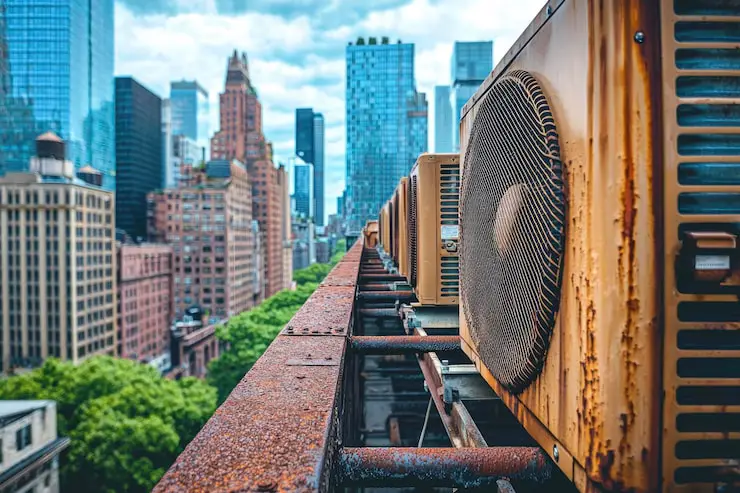
Understanding the typical lifespan of an air conditioner sets the foundation for recognizing when replacement is imminent. Most residential central AC units endure 15 to 20 years with proper care, though this can shorten to 10-15 years in harsher climates or with heavy usage. Factors like regular maintenance, environmental conditions, and installation quality play pivotal roles in longevity.
For example, in hot, humid areas, constant operation accelerates wear on components such as the compressor and coils. Without annual tune-ups, dirt accumulation reduces efficiency, forcing the system to overwork. Homeowners in regions like the Southwest might see units fail sooner due to dust and extreme temperatures.
Tracking your AC’s age is straightforward—check the manufacturer’s label on the outdoor unit for the installation or manufacture date. If it’s nearing the 15-year mark, heightened vigilance for performance dips is crucial. Proactive monitoring helps avoid emergency replacements, which can cost 20-30% more during peak seasons.
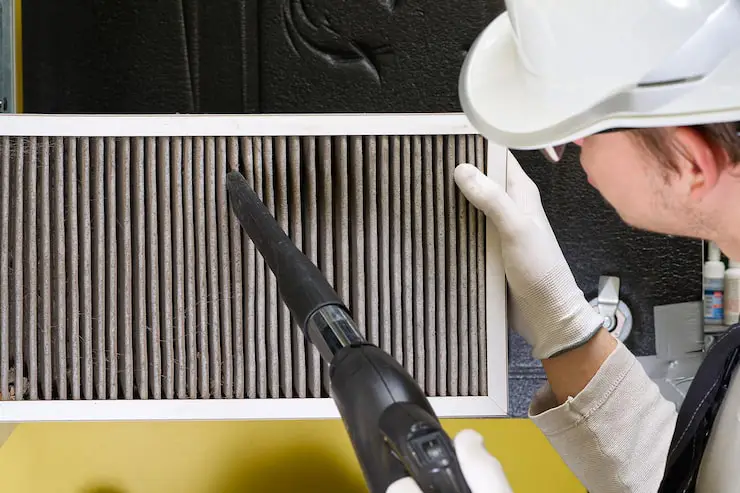
Extending lifespan involves simple habits: changing air filters every 1-3 months, keeping the outdoor unit clear of debris, and scheduling professional inspections. However, even diligent care can’t defy time indefinitely. As systems age, parts become obsolete, and refrigerants like R-22 are phased out, making repairs challenging and expensive.
Is Your AC Showing Signs of Failure? Partner with Reliable Ontario HVAC Contractor for Expert Replacement!
Top Signs Your Home Needs a New Air Conditioner
When your AC starts showing distress, it’s often a cascade of issues signaling the end is near. The top signs your home needs a new air conditioner range from subtle inefficiencies to blatant malfunctions. Ignoring them can lead to higher utility bills, poor indoor air quality, and sudden failures. Below, we detail the most common indicators, with real-world examples and steps to diagnose them.
Unexpected Rise in Energy Bills
A sudden spike in your electricity costs without increased usage is one of the top signs your home needs a new air conditioner. Aging units lose efficiency, consuming 20-50% more energy to deliver the same cooling. This inefficiency stems from worn compressors, dirty coils, or low refrigerant levels, making the system labor harder.
Consider a homeowner in a 2,000-square-foot house noticing a 25% bill increase over last summer—often, this traces back to an old AC struggling against heat. Factors like poor insulation exacerbate the issue, but the root is typically the unit itself.
To verify, review utility statements year-over-year and calculate your AC’s SEER rating. Older models might have a SEER of 10 or less, while modern ones reach 14-20 or higher, slashing costs. Conduct a home energy audit or consult an HVAC pro to rule out other causes like duct leaks.
Increasing Frequency and Cost of Repairs
Frequent service calls are glaring AC replacement signs, especially if costs accumulate. Repairs for common issues like capacitor failures or refrigerant recharges average $150-$650 each, and multiple fixes in a year can exceed $1,000. For units over 10 years, this signals systemic decline rather than isolated problems.
Imagine repairing a leaky coil one month and a faulty fan the next—these band-aids don’t address underlying wear. A common rule: If repair costs hit 50% of a new unit’s price or occur more than twice annually, replacement is economical.
Document your repair history to spot trends. High-end fixes like compressor replacements can run $1,200-$2,500, often making a new system more viable. Weighing ongoing expenses against a one-time investment prevents financial drain.
Unusual Noises During Operation
Strange sounds from your AC are not to be ignored—they’re key indicators that it’s time to replace your air conditioner. Grinding suggests bearing failure, banging might mean loose parts, and squealing often points to a failing motor. These noises amplify in older units as components degrade.
For instance, a rattling compressor could indicate imminent failure, costing thousands to fix alone. Electrical buzzing signals wiring issues, posing safety risks.
Listen during startup and runtime; note changes. Minor noises might resolve with lubrication, but persistent ones require inspection. Newer models operate quieter, under 70 dB, enhancing home tranquility.
Reduced Airflow and Inconsistent Cooling
Weak airflow from vents or rooms not cooling evenly are classic signs your home needs a new air conditioner. Causes include clogged filters, duct blockages, or a weakening blower motor, reducing output by up to 30%.
Hot spots in upstairs rooms while downstairs chills point to capacity loss. The system may run longer without results, hiking energy use.
Test by placing a hand over vents and using thermometers across areas. Replace filters monthly, but if airflow remains poor, professional duct cleaning or replacement may be needed. Upgraded units with variable-speed fans ensure uniform cooling.
Persistent High Indoor Humidity
If your home feels sticky despite the AC running, it’s a sign of failing dehumidification—a core AC function. Older systems struggle to remove moisture, leading to levels above 50%, fostering mold and allergens.
This occurs when coils don’t condense properly or the unit cycles too quickly. In humid climates, it worsens health issues like asthma.
Use a hygrometer to monitor; aim for 30-50%. Temporary fixes include dehumidifiers, but a new AC with enhanced moisture control resolves it permanently.
Foul Odors Emitting from Vents
Bad smells like musty mold or burning wires are alarming AC replacement signs. Musty odors indicate microbial growth in ducts, while chemical scents suggest refrigerant leaks.
These arise from stagnant water or overheating parts in aging units, impacting air quality.
Sniff vents during operation. Clean ducts annually, but recurring smells warrant replacement. Modern systems with advanced filters prevent odors.
Water Leaks or Excess Moisture
Leaks around the indoor or outdoor unit signal drainage issues or refrigerant problems—critical signs to replace. Clogged drains or frozen coils cause water buildup, risking damage.
Refrigerant leaks are hazardous and illegal to ignore.
Inspect for puddles; clear minor clogs with vinegar. Frequent leaks mean systemic failure; new eco-friendly units avoid this.
Short Cycling or Nonstop Running
Short cycling—rapid on/off—or constant operation without cooling efficiency are inefficiency markers. Oversized units or low refrigerant cause this, straining components.
It wastes energy and shortens lifespan.
Check thermostat settings; recalibrate if needed. Persistent issues indicate replacement for proper sizing.
System Age Over 15 Years
Age alone is a top sign, even without symptoms. Units over 15 years use outdated tech, with SEER ratings below current standards.
Plan replacement to avoid breakdowns.
Here’s a summary table for quick reference:
| Sign | Potential Causes | Action Steps | Estimated Cost Impact |
|---|---|---|---|
| Rising Energy Bills | Worn parts, low efficiency | Compare bills, check SEER | 20-50% increase in bills |
| Frequent Repairs | Systemic wear | Track costs vs. new unit | $150-$650 per repair |
| Strange Noises | Failing motors/compressors | Listen and inspect | Up to $2,500 for major fixes |
| Weak Airflow | Clogged filters/ducts | Test vents, clean system | Reduced cooling by 30% |
| High Humidity | Poor dehumidification | Monitor with hygrometer | Mold risk, health issues |
| Bad Smells | Mold or leaks | Clean ducts, check for growth | Air quality decline |
| Leaks/Moisture | Clogged drains, refrigerant issues | Inspect and clear | Water damage potential |
| Short Cycling | Oversizing, low refrigerant | Thermostat check | Higher energy waste |
| Over 15 Years Old | Natural obsolescence | Age verification | Inefficiency buildup |
Key Benefits of Upgrading to a New Air Conditioner
Replacing an old AC yields substantial rewards. Energy savings top the list—high-efficiency models cut bills by 20-50%, per DOE estimates. This ROI accumulates quickly in warm areas.
Better air quality follows, with superior filters trapping pollutants, aiding allergy sufferers.
Quieter operation is a boon; new units hum at lower decibels.
Home value rises—updated HVAC appeals to buyers.
Warranties provide security, and smart features like app controls optimize use.
Step-by-Step Guide: How to Choose the Right New Air Conditioner
Selecting involves careful planning. First, calculate size via load assessment—based on home size, insulation, windows. Wrong sizing causes inefficiency.
Prioritize SEER: Aim for 14+ for savings. Energy Star models offer rebates.
Choose type: Central for whole-home, mini-splits for zones.
Budget: $5,000-$13,000 for central installs in 2025.
Features: Variable speeds, low noise, smart tech.
Hire certified pros.
Assessing Home Size and Needs
Measure square footage; add 20 BTU per sq ft. Adjust for ceilings, sun exposure.
Evaluating Efficiency and Features
Higher SEER means lower costs. Look for inverter tech.
Comparing Types and Brands
Central vs. ductless; brands like Trane, Carrier.
Conclusion
Spotting the top signs your home needs a new air conditioner—from rising bills to leaks—prevents escalation. We’ve covered lifespans, detailed signs with tips, benefits like savings and comfort, selection guidance, and FAQs. Acting promptly ensures efficiency.
Frequently Asked Questions About Air Conditioner Replacement
To assist homeowners in making informed decisions regarding when to replace an air conditioner, we address common inquiries with precise, professional insights, incorporating secondary keywords such as AC replacement signs and new air conditioner benefits.
When Should You Replace Your Air Conditioner Instead of Repairing It?
Replacement is advisable when the unit is over 10 years old and repair costs exceed 50% of a new system’s price, or if repairs are frequent (more than twice annually). Aging systems exhibit declining efficiency, increasing operational costs. A professional assessment can confirm whether replacement is the most cost-effective solution.
What Is the Typical Cost of Replacing a Central Air Conditioner?
The cost for a new central air conditioner, including installation, ranges from $5,000 to $13,000, depending on system size, type, and regional labor rates. High-efficiency models may have higher upfront costs but yield significant energy savings over time.
Can You Replace the Air Conditioner Without Replacing the Furnace?
Yes, replacing only the air conditioner is possible if the existing furnace is compatible and in good condition. However, pairing a new AC with an older furnace may reduce overall system efficiency. Consult an HVAC technician to evaluate compatibility and performance.
What Is the Optimal Time of Year to Replace an Air Conditioner?
Scheduling replacement during the off-season, such as fall or spring, often results in better pricing and technician availability. Avoiding peak summer demand prevents delays and potential surcharges.
How Long Does the Installation of a New Air Conditioner Take?
Installation of a central air conditioner typically requires 1-2 days, depending on system complexity, home size, and any necessary ductwork modifications. A qualified installer can provide a precise timeline.
Are Financial Incentives Available for Energy-Efficient Air Conditioners?
Yes, many energy-efficient models qualify for rebates or tax credits through programs like Energy Star or local utility companies. Verify eligibility with your installer or utility provider to maximize savings.
What Maintenance Is Required for a New Air Conditioner?
To ensure optimal performance, schedule annual professional tune-ups, replace air filters every 1-3 months, and keep the outdoor unit free of debris. Regular maintenance extends the system’s lifespan and maintains efficiency.