Imagine enduring a scorching summer day only to discover your air conditioner is struggling to cool your home. The critical question is: How long do air conditioners last? On average, air conditioners typically last 10–15 years, but their AC lifespan varies based on maintenance, usage, and environmental factors. Understanding the average lifespan of AC helps you plan for maintenance or replacement, avoiding costly disruptions. This comprehensive guide examines the key factors influencing the lifespan of air conditioner units, offers actionable strategies to maximize durability, and answers common questions to ensure optimal performance. Keep reading to learn how to extend your AC’s life and maintain year-round comfort!
Key Factors Affecting an Air Conditioner’s Lifespan
The air conditioner life expectancy depends on multiple elements, including the unit’s design, operating conditions, and maintenance practices. By understanding these factors, homeowners can make informed decisions to enhance the durability of their AC unit lifespan.
Unit Type and Manufacturing Quality
Different air conditioning systems have distinct lifespans:
- Central air conditioners: Typically last 10–15 years with proper care.
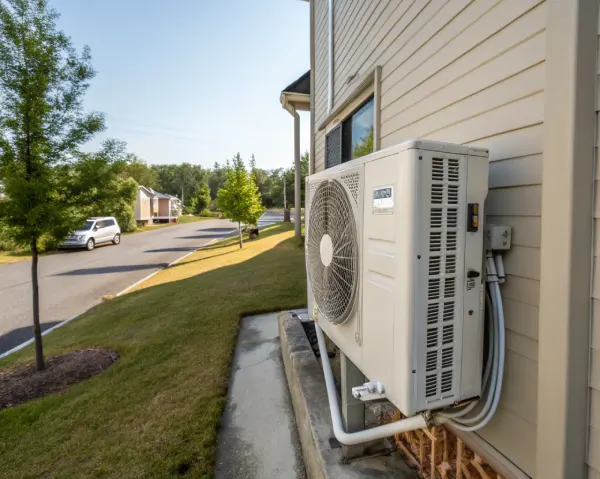
- Ductless mini-split systems: Often endure 15–20 years due to simpler designs and fewer mechanical components. For those asking about mini-split lifespans: how many years do mini-splits last?—the answer is often longer than central AC.
- Window or portable units: Generally last 8–12 years, as they are more exposed to environmental wear.
High-quality brands, such as Carrier or Daikin, incorporate durable components, often outlasting lower-cost models.

Climate and Usage Intensity
Environmental conditions and usage patterns significantly impact durability.
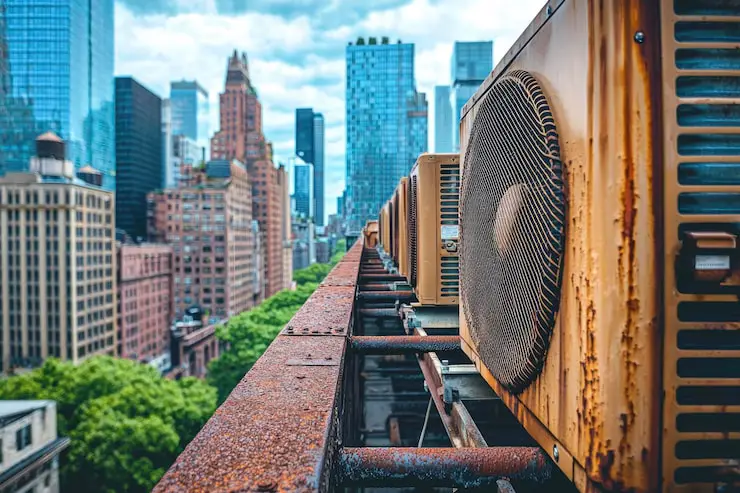
- In hot, humid regions, air conditioners may last 8–12 years due to constant operation.
- In milder climates, units can reach 15–18 years.
- Continuous or improper use strains critical components like the compressor and fan motors.
Maintenance and Upkeep
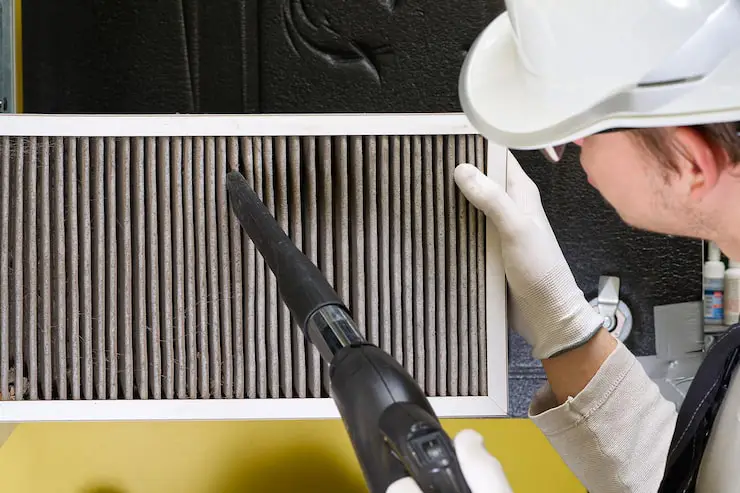
Regular maintenance is essential for maximizing an AC’s air conditioner lifespan. Neglected systems accumulate dust and debris, reducing efficiency and accelerating wear. Annual professional inspections, combined with routine homeowner tasks like filter replacements, can extend a unit’s life by 3–5 years.
Also Read: Buyer’s Guide To Buying A Central Air Conditioner
Need a Trusted HVAC Contractor in Ontario? Our experts ensure your air conditioner lasts longer!
Proven Strategies to Extend Your Air Conditioner’s Lifespan
Prolonging the lifespan of an air conditioner requires a blend of professional servicing and practical homeowner habits.
1. Prioritize Routine Maintenance
Annual professional tune-ups are critical. Certified technicians perform essential tasks, including:
- Cleaning evaporator and condenser coils.
- Verifying refrigerant levels.
- Inspecting electrical components.
Homeowners can support these efforts by replacing or cleaning air filters every 1–3 months and removing debris from the outdoor unit.
2. Optimize Operational Efficiency
Smart usage habits reduce wear on your system:
- Set the thermostat to a reasonable temperature, such as 78°F, when occupied.
- Use a programmable or smart thermostat.
- Employ ceiling fans to circulate cool air, reducing the AC’s runtime.
3. Address Repairs Promptly
Promptly addressing issues like unusual noises or reduced cooling prevents minor problems from becoming major failures. Contact a licensed technician at the first sign of trouble to maintain system integrity.
4. Enhance Home Insulation
Improving your home’s insulation and sealing gaps reduces the AC’s workload. This minimizes runtime, lowers energy consumption, and extends the unit’s lifespan.
Also Read: Top Signs Your Home Needs a New Air Conditioner
Benefits of Prolonging Your Air Conditioner’s Lifespan
Extending the life of your air conditioner delivers significant financial, environmental, and comfort-related advantages. By prioritizing maintenance and efficiency, homeowners can enjoy long-term rewards. Below are the key benefits of maximizing your AC’s durability.
Significant Cost Savings
Replacing an air conditioner can cost $4,500–$8,500, depending on the system type and installation complexity. In contrast, annual maintenance, averaging $150–$300, is a cost-effective way to delay replacement. Efficient units also reduce energy consumption, lowering utility bills by 10–20%, according to the U.S. Department of Energy.
Environmental Sustainability
Prolonging an AC’s life reduces the need for new units, which require energy-intensive manufacturing processes. Energy-efficient systems consume less electricity, decreasing greenhouse gas emissions. For example, an Energy Star-certified unit can save up to 15% on energy use, equivalent to reducing emissions from a car driven 1,800 miles annually.
Enhanced Comfort and Air Quality
A well-maintained AC provides consistent cooling and humidity control, improving indoor comfort. Clean filters and coils reduce allergens, dust, and pollutants, promoting healthier air. This is particularly beneficial for households with allergy sufferers or those with respiratory conditions.
Also Read: Is it better to rent or buy an air conditioner in Ontario?
Sum Up
Understanding how long air conditioners typically last empowers homeowners to optimize their cooling systems for longevity and efficiency. With an average lifespan of 10–15 years, air conditioners benefit from routine maintenance, smart usage practices, and timely repairs. These efforts yield significant cost savings, reduce environmental impact, and ensure consistent indoor comfort. By addressing common questions and implementing expert strategies, you can maximize your AC’s performance and avoid unexpected breakdowns. Take the first step today—schedule a professional tune-up or explore our energy efficiency resources to keep your home cool, comfortable, and cost-effective for years to come!
What is the average lifespan of an air conditioner?
Most air conditioners last 10–15 years. Ductless mini-splits may reach 15–20 years, while window units typically last 8–12 years with proper maintenance.
How can I tell if my AC is nearing the end of its lifespan?
Indicators include frequent repairs, rising energy bills, inconsistent cooling, or an age exceeding 15 years. A professional evaluation can determine if replacement is necessary.
Does climate impact an air conditioner’s lifespan?
Yes, units in hot, humid climates face greater strain, often lasting 8–12 years, compared to 15–18 years in temperate regions.
How frequently should I replace my AC’s air filter?
Replace or clean filters every 1–3 months, depending on usage, pets, or dust levels, to ensure efficient airflow and system performance.
Can regular maintenance significantly extend my AC’s life?
Absolutely. Annual tune-ups and consistent filter changes can add 3–5 years to a unit’s lifespan by preventing wear on critical components.
When should I repair versus replace an aging AC?
If repair costs exceed 50% of a new unit’s price or the system is over 12 years old, replacement is often more economical. Consult a technician for personalized advice.
How long do air conditioners last?
Most central air conditioners last 10–15 years. Ductless mini-splits may reach 15–20 years, while window units typically last 8–12 years with proper maintenance.
What is the average lifespan of an AC unit?
The average is 10 to 15 years for central units, though maintenance is the biggest factor affecting this range.
How many years do mini-splits last?
Ductless mini-split systems generally last longer than central AC, often enduring 15 to 20 years.
How can I tell if my AC is nearing the end of its lifespan?
Indicators include frequent, costly repairs, rapidly rising energy bills, inconsistent cooling, or if the unit is over 15 years old.
Does climate impact an air conditioner’s lifespan?
Yes, units in hot, humid climates face greater strain, often lasting 8–12 years, compared to 15–18 years in temperate regions.
Can regular maintenance significantly extend my AC’s life?
Absolutely. Annual tune-ups and consistent filter changes can add 3–5 years to a unit’s lifespan by preventing wear on critical components.